Sleeping for Free in the Middle of Nowhere: How to Try Bothying in the Highlands
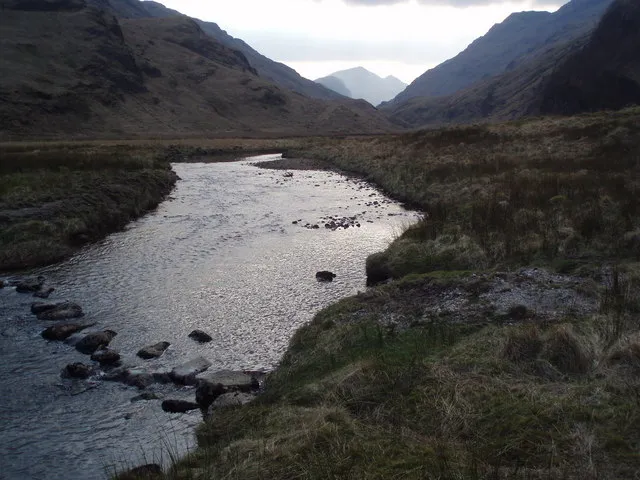
Photo: Adam Ward, CC BY-SA 2.0, via Wikimedia Commons
There's a particular kind of magic in pushing open a door that has no lock, no booking system and no price tag, and finding four walls, a fireplace and the best view in Britain. That's bothying — and once you've done it once, ordinary accommodation starts to feel a bit tame.
Bothies are simple, often abandoned buildings — old estate shelters, shepherd's cottages, disused farmhouses — that landowners leave open for anyone to use, free of charge. Many are maintained by the Mountain Bothies Association (MBA), a charity that does heroic work keeping roofs on and floors swept. They have no running water, no electricity and, in most cases, no beds. What they do have is shelter, history and a community of strangers-turned-companions that no hotel can replicate.
The Unwritten Rules
Bothying runs on goodwill, and the etiquette is sacrosanct. First: leave the bothy better than you found it. That means carrying out your rubbish (yes, all of it), replacing any firewood you burn if you can, and never leaving food behind — it attracts vermin and can poison the very wildlife the bothy sits among.
Never rely on a bothy for a night's sleep. They can be full, locked for maintenance or simply no longer standing. Always carry a tent or bothy bag as backup. And if you arrive to find a full house, take it gracefully — sleep outside or move on. Nobody owns a bothy bed.
The MBA asks that large groups stay away (groups of six or more should seek permission first), and overnight stays are limited to two or three nights. This isn't a free hostel network; it's a tradition of shelter, and it only survives if everyone plays their part.
What to Pack
Think of a bothy as a roof with personality, not a room with facilities. Essentials:
- Sleeping bag and mat — there are no beds, and the floors are stone
- Stove, fuel and lighter — fires depend on whether there's coal or dry wood about
- Headtorch — most bothies are pitch black inside
- Water filter or purification tablets — take water from a source upstream, never from a still loch
- Toilet kit — trowel and toilet paper; many bothies now have a spade hanging up as a hint
- Candles or a small lantern — the single best atmosphere upgrade
Bring a luxury too. A bar of chocolate to share, a tin of shortbread, a decent bottle of something — bothy culture runs on small generosity, and you'll be amazed how quickly a room of strangers becomes a firelit crew.
Five Bothies Worth the Walk
Corrour Bothy, Cairngorms. The classic. A stiff walk up the Lairig Ghru delivers you to a stone shelter beneath the great whaleback of Braeriach. On a clear night, the stars here are something else.
Ryvoan Bothy, near Aviemore. Short, gentle approach through the green fairy-tale of Ryvoan Pass, past the impossibly turquoise An Lochan Uaine. A brilliant first bothy — close enough to bail from, wild enough to feel proper.
Shenavall, Fisherfield. In the middle of the so-called 'Great Wilderness', Shenavall sits in a bowl of some of the most remote mountains in mainland Britain. The walk in from Corrie Hallie is long and boggy. It's worth every step.
Glendarroch or the Ruigh Aiteachain bothies, Glen Feshie. Glen Feshie is one of the great regeneration success stories of the Highlands — Caledonian pinewood returning to life — and the bothies here put you right in the heart of it.
Peanmeanach, Wester Ross. A former crofting settlement on the shores of Loch Moidart, reached by a coastal path. Ruined buildings, sea light, and silence so complete you can hear your own pulse.
Why Bother?
Because a night in a bothy changes how you see the Highlands. You'll wake to mist curling off the hill, share tea with someone who walked in from a different direction, and learn that the best Highland accommodation isn't on Booking.com — it's at the end of a track, behind an unlocked door, waiting for whoever's willing to make the effort.
Check the MBA website before you go, tell someone where you're headed, and go gently. The bothies have been keeping walkers safe for a century. With a bit of care, they'll keep doing it for a century more.