The Roar in the Glen: Why October Is When the Highlands Show Off
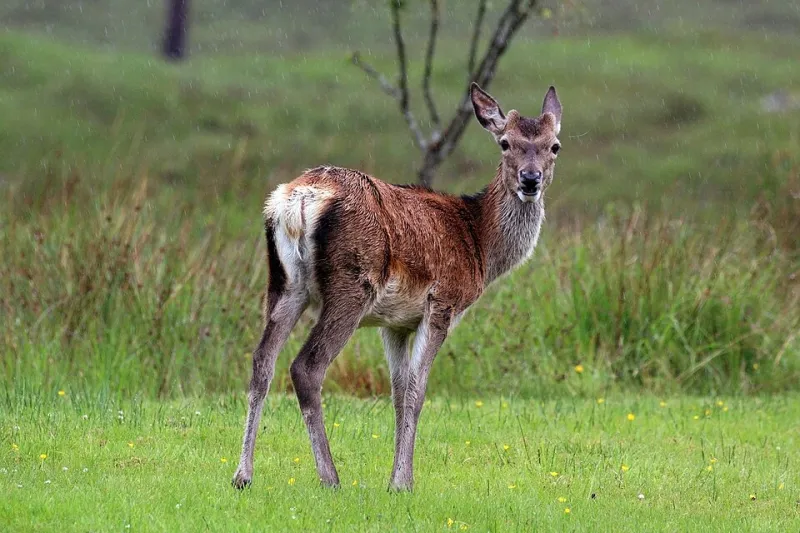
Photo: Charles J. Sharp, CC BY-SA 4.0, via Wikimedia Commons
Let's get the opinion bit out of the way early: the red deer rut is the best free show in Britain, and if you're choosing between a October city break and a dawn in a Highland glen, you're choosing wrong. There. Said.
For a few weeks from late September into October, the hills ring with the roaring of stags — a sound somewhere between a lion, a foghorn and a bad chest infection — as red deer bulls gather harems and settle their differences. It's dramatic, it's ancient, and it happens whether or not anyone turns up to watch. Which is exactly why you should turn up.
What You're Actually Watching
The rut is the red deer breeding season, and it's essentially high-stakes theatre. Dominant stags — some tipping the scales at over 15 stone — gather groups of hinds and spend their days roaring challenges, parallel-walking rivals and, occasionally, locking antlers in genuine fights. Exhausted winners barely eat for weeks; the biggest stags can lose a fifth of their body weight.
For visitors, the beauty is accessibility. You don't need a guide, a hide or a permit. You need a hillside with a view, a bit of patience and a thermos.
Where to Go
A few reliable haunts, all reachable without 4x4 heroics:
- Glen Etive — the classic. The single-track road through the glen puts you at eye level with herds that have seen enough cameras to be relatively relaxed. Keep to the verges and let the deer come to you.
- Glen Affric — ancient Caledonian pinewoods, mirror-still lochs and stags silhouetted against the birch. Arrive before sunrise and you'll likely have it to yourself.
- The Isle of Rum — the Kintail and Rum hills hold some of the best-studied deer populations in Europe. The ferry from Mallaig makes it a proper adventure.
- Glen Garry and Kintail — right on the A87, with viewpoints where you can watch from the car window on genuinely foul mornings.
How to Watch Without Being That Person
The rut is stressful enough for the deer without us adding to it. A few ground rules:
Stay back — at least 100 metres, more if the herd is on the move. If a stag stops what it's doing to look at you, you're too close; back off calmly. Keep dogs on leads and ideally at home. Never bait, call or imitate the roar — it interferes with genuinely serious business, and no photograph is worth a stag burning energy it can't spare.
And for the love of all things scenic, don't park on the grass verge in Glen Etive. There's a reason the local Facebook groups have strong feelings about this.
The Kit
October in the Highlands is a lottery — crisp blue-sky mornings one day, horizontal rain the next. Pack for both:
- Waterproofs that mean it (jacket and trousers, not a hopeful pac-a-mac)
- Boots with decent grip; dawn grass is frosty and slopes are slippy
- Binoculars — even cheap ones transform the experience
- Layers, hat and gloves; you'll be standing still for long stretches
- A flask. Non-negotiable. Coffee at dawn in a silent glen is half the experience.
Why Dawn, and Why Bother
Stags roar most at first light and again at dusk, and dawn in October arrives at a civilised 7.30am — this is not an alpine start. There's something about standing in a glen as the light creeps down the hillside, the mist still pooled in the hollows, and a roar echoes off the crags that no city break, spa weekend or bottomless brunch will ever replicate.
The Highlands don't close for winter. They just stop performing for the crowds — and October is the last act of the year where the whole landscape puts on a show. Book the cottage, pack the flask, and go and listen to the hills shout.